
When you first branded, you might’ve picked colors that were recommended to you by an agency, a...
Everyday, you're told new facts about discoverability. You're told attention has moved to other platforms, that feeds replaced search, that AI answers erased rankings, that social presence is suddenly somehow more important than being found organically.
All of that sounds convenient to whoever is pushing that narrative, especially if showing up in search has historically been hard, slow, or disappointing for your business.
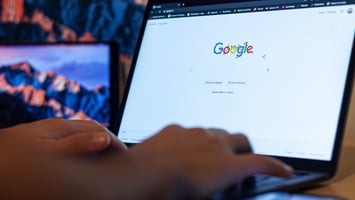
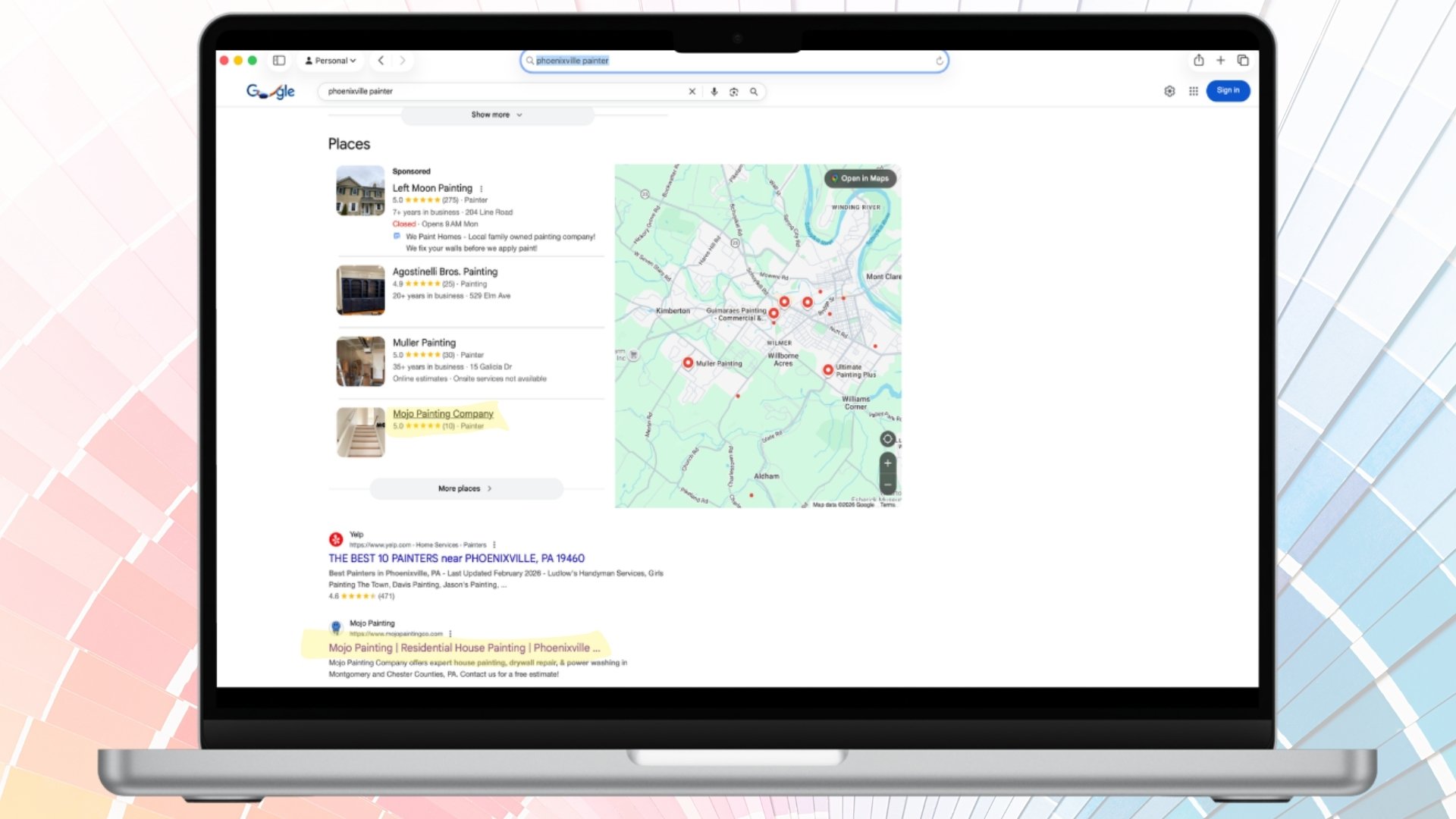
Prospective customers open Google to find which companies are already top of the ranks. Search results and AI answers pull from the same set. If you aren’t in that set, you aren’t evaluated. No one's looking at your offer, your experience, or your point of view, because you don't even exist. You are removed before comparison starts, and the decision continues using whoever is at the top of the search results page.
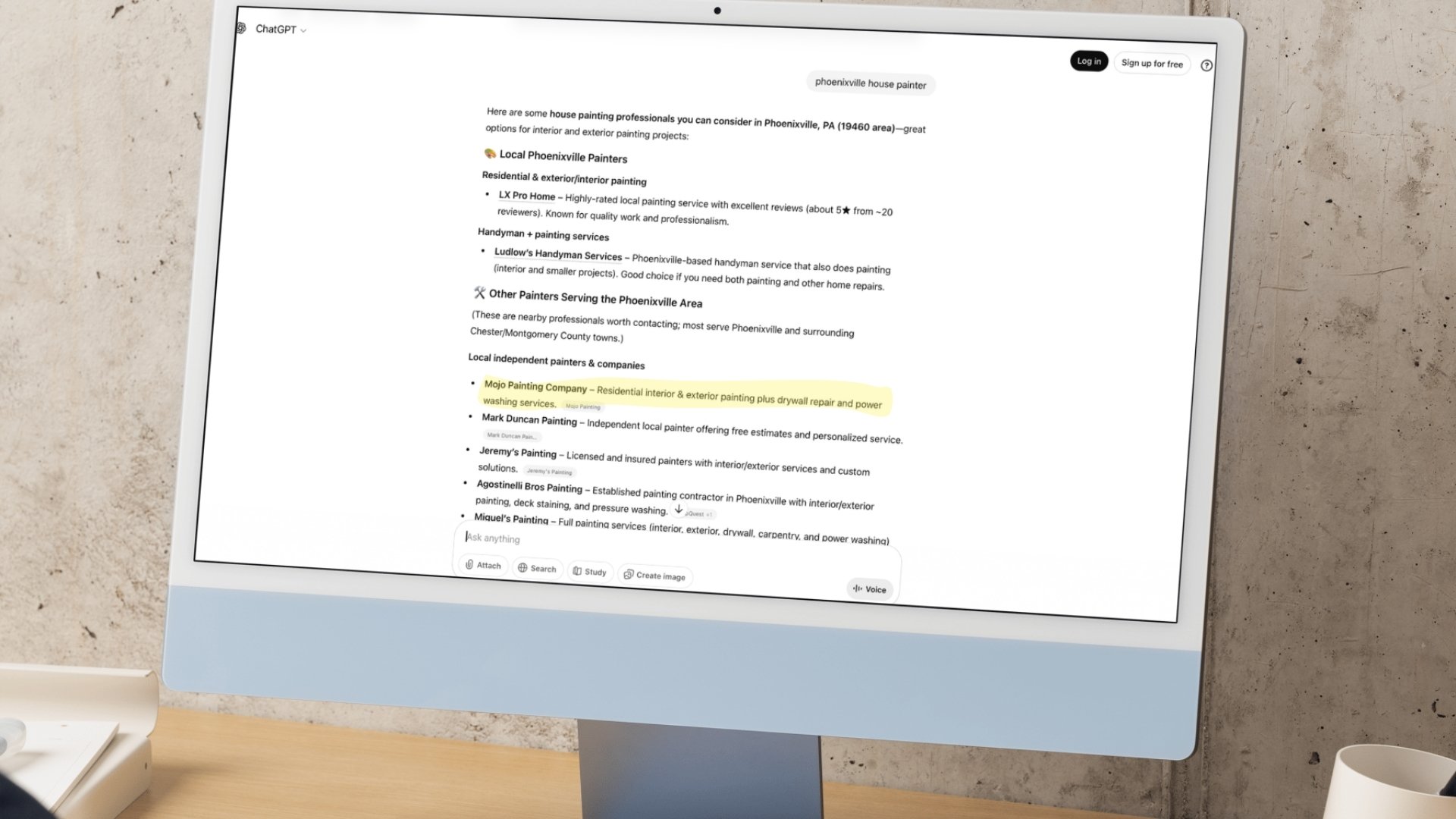
This is why first-page Google rankings still determine search visibility for service businesses, even as AI summaries and answer engines sit on top of search.
Does the first page of search results still matter for AI summaries?
Social engagement and paid placements provide temporary visibility that expires.
Conversely, first-page placement ensures content is perpetually reused, cited, and folded into the automated answers buyers trust. Without this anchor, what you publish fails to enter the ecosystem entirely.
Customers can't find your house if there are no roads that lead to it.
The first page of Google still matters for service businesses
People look you up because they already have a problem and want to see who’s worth the call.
When your name shows up on the first page, you get to walk into the conversation ready. The buyer already saw you alongside other names they recognize. They already clocked that you're established, that you didn’t feel fringe, that you didn’t require extra digging to verify your authenticity.
Without this, you spend the introductory call establishing basic credibility. You explain context that should have been assumed, searched, or easily accessed from your site. You answer questions that exist only because the buyer had to hunt you down instead of encountering you naturally.
Defensive branding and the first page of search.
If you’re not controlling the first page, your competition is.
When people look you up, they don’t just see your site. They see directories, comparison pages, listicles, half-informed summaries, old bios, sometimes competitors sitting closer to the problem than you are.
When you’re on the first page, most people only see your site and a small number of related results.
When you’re not on the first page, other sources speak first. Aggregators describe you. Reviews reduce you to a score. Competing firms show up as alternatives.
The first page of search for visibility
If content fails to keep a position on the first page, it is excluded from the pool of data used for snippets, citations, and LLM training.
Invisibility on page one is a total removal from the discovery set. No amount of secondary platform activity compensates for being excluded from the primary source selection process.
Google Search, the first page, and long-term ROI
Prospective buyers evaluate the options immediately surfaced and ignore the rest most of the time.
If a brand is absent from the first page, it is effectively removed from the comparison phase before the evaluation even begins. Achieving and holding a top rank is the only way to ensure a piece of content remains a compounding asset that works without ongoing manual intervention or ad spend.
The Costly Mistake of Ignoring the First Page of Google
So does the first page of Google still matter? If you are absent from the primary set, you are opting out of the discovery process.
By allowing the market to be defined by your competition, you let them anchor authority where it can be found, cited, and reused by the systems governing buyer behavior.
Ranking on page one is a rejection of the high-effort cycle of constant content production. It is a compounding asset that holds value regardless of platform shifts.
When you own the first page, your authority is assumed rather than argued. You stop chasing the market and start existing at the exact moment a buyer decides who is worth their time.
Need help climbing the search engine ranks? Schedule a Search Visibility Review with Selkire.